
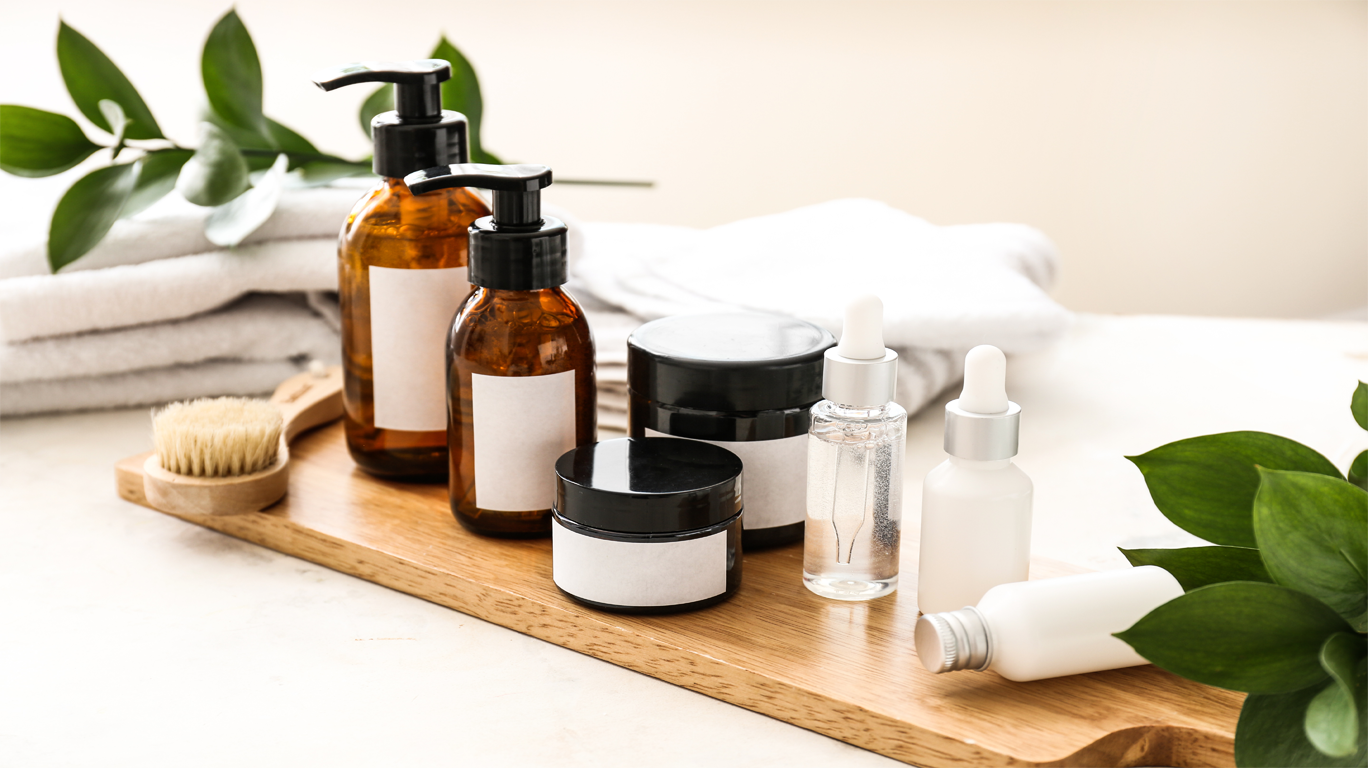
Containers containing cosmetics
Cosmetics
Our healthcare specialists in the United States and around the world offer assistance and insight to help you determine market opportunities, challenges, and more.

Cosmetics

Cosmetics

In the United States, cosmetics are defined in the federal Food, Drug and Cosmetic Act (FD&C Act) as “articles intended to be rubbed, poured, sprinkled, or sprayed on, introduced into, or otherwise applied to the human body…for cleansing, beautifying, promoting attractiveness, or altering the appearance.” Among the products included in this definition are perfumes, lipsticks, nail polish, eye shadows, cleansing shampoos and deodorants, as well as any substance intended for use as an ingredient in a cosmetic product. Products defined as over-the-counter products (OTCs) or drugs in the United States that are often regulated and marketed as cosmetics overseas include anti-aging, sunscreen and other skincare products and anti-perspirants. Soap, which is regulated by the Consumer Products Safety Commission (CPSC) in the United States, may also be considered a cosmetic in many markets.

The U.S. cosmetics industry is a vibrant and fast evolving, with thousands of small and medium firms engaged in product and ingredient research and development, manufacturing, marketing, distribution and retail sales via traditional and online channels. 

For purposes of tracking U.S. personal care and cosmetics industry exports, ITA defines the industry based upon the harmonized tariff schedule (HTS) codes as prepared by the U.S. International Trade Commission (USITC). The HTS codes used follow and do not include services:

  • 3301 Essential Oils
  • 3302 Fragrances and flavors used as an ingredient
  • 3303 Perfumes and Toilet Waters
  • 3304 Make Up, Skin and Nail Care
  • 3305 Hair Products
  • 3306 Dental Care
  • 3307 Deodorants, Shaving and Other Personal Care
  • 3401 Soap and Other Bathing Products
  • 6704 Wigs, Hair and Lash Extensions
  • 9615 Combs and Other Hair Styling and Hair Accessories
  • 9616 Cosmetic Applicators and Packaging 

Industry subsectors are as follows: Cosmetics ingredients, including Fragrances; Skin Care; Color cosmetics; Perfumes and toilet waters; Hair care; Depilatories; Pre-shave and post-shave preparations and Other toilet preparations; Appliances and Hair Extensions.

From 2017-2019, U.S. exports grew at two percent annually to reach $15.02 billion. The largest manufacturers of cosmetics are located in California, New Jersey, Florida and Texas. (Source: United States Department of Commerce, Bureau of the Census, Foreign Trade Division)

×

Global Business Navigator Chatbot Beta

Welcome to the Global Business Navigator, an artificial intelligence (AI) Chatbot from the International Trade Administration (ITA). This tool, currently in beta version testing, is designed to provide general information on the exporting process and the resources available to assist new and experienced U.S. exporters. The Chatbot, developed using Microsoft’s Azure AI services, is trained on ITA’s export-related content and aims to quickly get users the information they need. The Chatbot is intended to make the benefits of exporting more accessible by understanding non-expert language, idiomatic expressions, and foreign languages.

Limitations

As a beta product, the Chatbot is currently being tested and its responses may occasionally produce inaccurate or incomplete information. The Chatbot is trained to decline out of scope or inappropriate requests. The Chatbot’s knowledge is limited to the public information on the Export Solutions web pages of Trade.gov, which covers a wide range of topics on exporting. While it cannot provide responses specific to a company’s product or a specific foreign market, its reference pages will guide you to other relevant government resources and market research. Always double-check the Chatbot’s responses using the provided references or by visiting the Export Solutions web pages on Trade.gov. Do not use its responses as legal or professional advice. Inaccurate advice from the Chatbot would not be a defense to violating any export rules or regulations.

Privacy

The Chatbot does not collect information about users and does not use the contents of users’ chat history to learn new information. All feedback is anonymous. Please do not enter personally identifiable information (PII), sensitive, or proprietary information into the Chatbot. Your conversations will not be connected to other interactions or accounts with ITA. Conversations with the Chatbot may be reviewed to help ITA improve the tool and address harmful, illegal, or otherwise inappropriate questions.

Translation

The Chatbot supports a wide range of languages. Because the Chatbot is trained in English and responses are translated, you should verify the translation. For example, the Chatbot may have difficulty with acronyms, abbreviations, and nuances in a language other than English.

Privacy Program | Information Quality Guidelines | Accessibility