United States and Brazil two flags textile cloth fabric texture image
U.S. – Brazil Defense Industry Dialogue
A forum to attract investment, identify partnerships, and spur technological innovation for both countries defense industry.
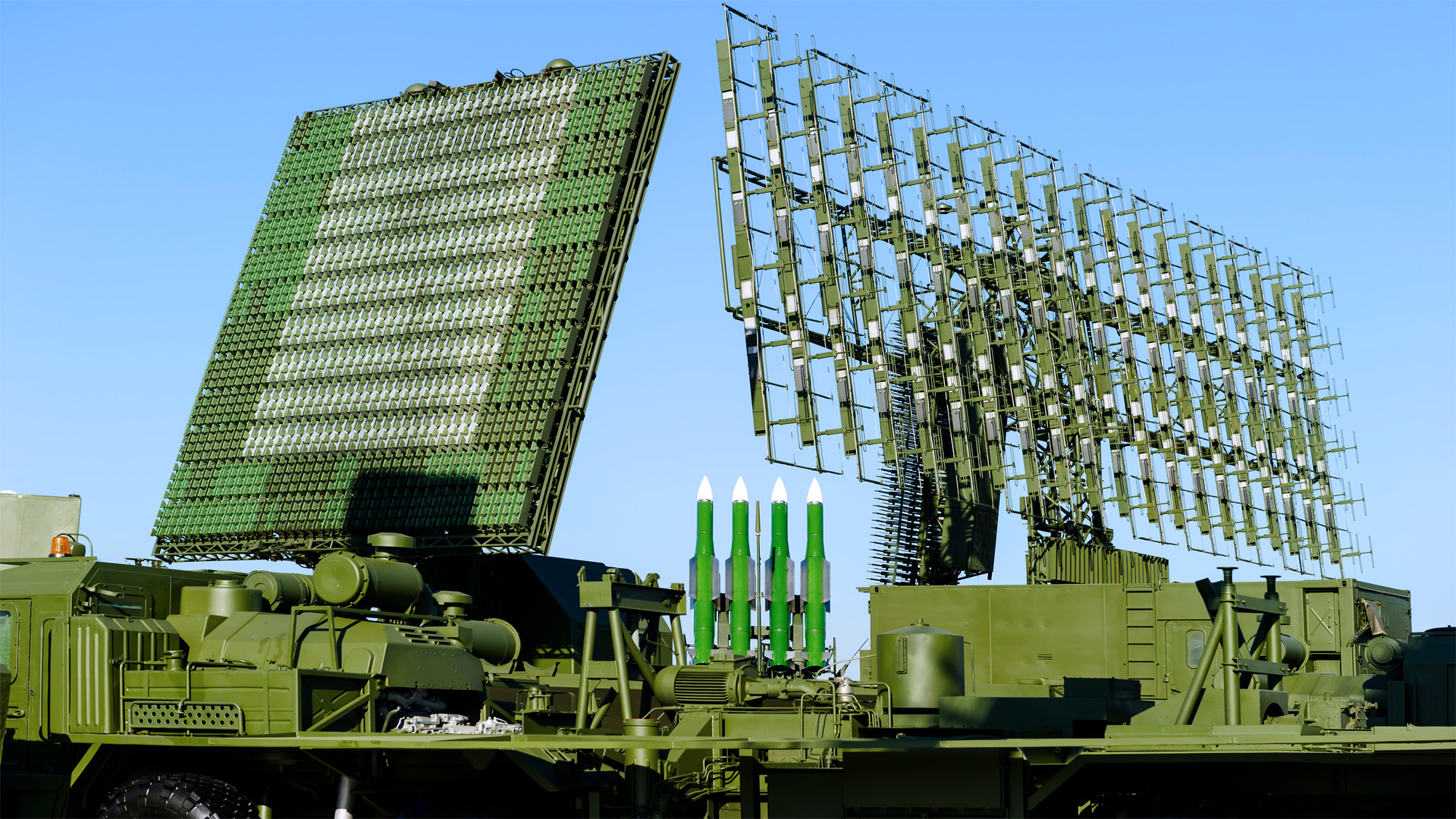
Air defense radars of military mobile antiaircraft systems in green color and ballistic rocket launcher with four cruise missiles in centre of frame, modern army industry image.
U.S. – Brazil Defense Industry Dialogue
A forum to attract investment, identify partnerships, and spur technological innovation for both countries defense industry.

U.S. – Brazil Defense Industry Dialogue

Industry partners in both countries work closely with agencies in both governments, including the U.S. Departments of Commerce and Defense, and Brazil’s Ministries of Defense and External Relations, to ensure coordination and representation from all DID stakeholders.

The inaugural DID was hosted by Brazil on September 30, 2016, in Brasilia, with more than 180 participants from 70 Brazilian and U.S. defense firms. Following the success of the first DID, the United States hosted the second iteration on October 10, 2017, in Washington DC.

In June 2015, Presidents Obama and Rousseff jointly endorsed the creation of a U.S.-Brazil Defense Industry Dialogue (DID) to promote the strategic integration of the private sector into U.S.-Brazil defense relations. The DID aims to attract investment, identify potential partnerships, and spur technological growth between both countries’ defense industries. Industry partners in both countries work closely with agencies in both governments, including the U.S. Departments of Commerce and Defense, and Brazil’s Ministries of Defense and External Relations, to ensure coordination and representation from all DID stakeholders.


The inaugural DID was hosted by Brazil on September 30, 2016, in Brasilia, with more than 180 participants from 70 Brazilian and U.S. defense firms. Following the success of the first DID, the United States hosted the second iteration on October 10, 2017, in Washington DC.

The Defense Industry Dialogue Working Groups are intended to focus progress on priority topics in four working groups (WGs):

  1. Space: focuses on any space-related subjects, including policy, business-to-business issues, and binational cooperation
  2. Binational Cooperation: focuses on the military-to-military steps needed to create a binational program or product outside of the space industry
  3. Policy: addresses policies that are not directly related to binational programs or space, but are of concern to the private sector and require government-to-government action
  4. Commercial Partnerships: covers business-to-business issues outside of the space industry that enhances commercial opportunities for industries in both countries

Each working group is led by a U.S. WG Lead and a Brazil WG Lead that engage in regular communication to create detailed action plans, which guide the work of the WGs. The results achieved by each WG are highlighted at subsequent DID meetings.

For more information about DID please contact our Defense Industry Trade Specialist, Daniele Andrews: Daniele.Andrews@trade.gov

Please see pictures from all events below:
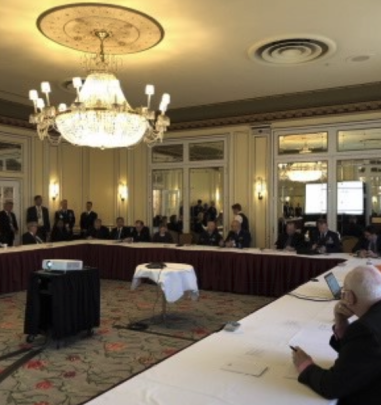
Ballroom conference room with lights turned on and meeting going on

DID Space WG meeting at the Space Symposium in Colorado Springs, April 2018
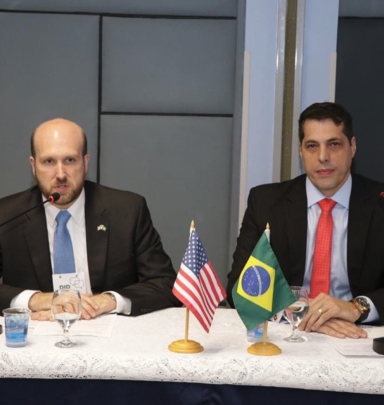
Representatives of U.S. and Brazil sitting at a table listening

DID III - April 2019

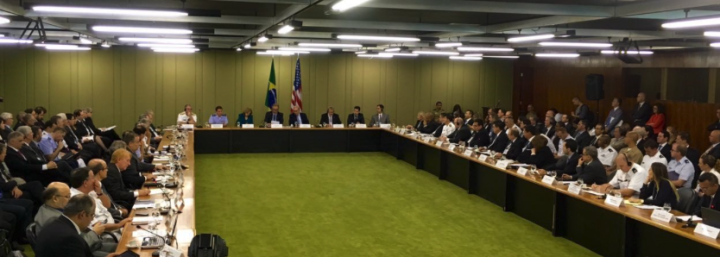
Large square table with many representatives and green carpet

Inaugurational DID

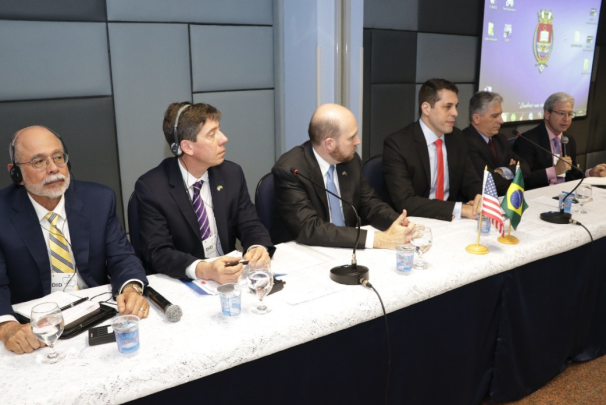
Four men sitting at a table representing different countries

DID III - April 2019

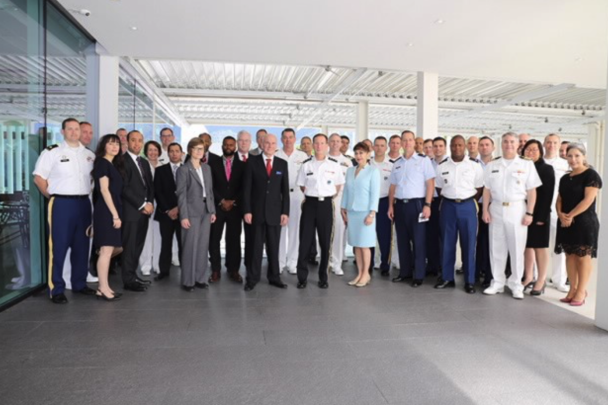
A group of military people posing for a picture outside of the office wide-angle shot

DID 2017

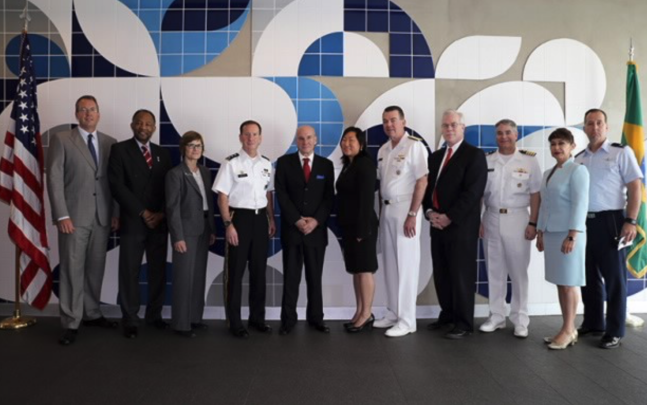
Group of military women and men posing for picture besides U.S. flag and organization flag

DID 2017

×

Global Business Navigator Chatbot Beta

Welcome to the Global Business Navigator, an artificial intelligence (AI) Chatbot from the International Trade Administration (ITA). This tool, currently in beta version testing, is designed to provide general information on the exporting process and the resources available to assist new and experienced U.S. exporters. The Chatbot, developed using Microsoft’s Azure AI services, is trained on ITA’s export-related content and aims to quickly get users the information they need. The Chatbot is intended to make the benefits of exporting more accessible by understanding non-expert language, idiomatic expressions, and foreign languages.

Limitations

As a beta product, the Chatbot is currently being tested and its responses may occasionally produce inaccurate or incomplete information. The Chatbot is trained to decline out of scope or inappropriate requests. The Chatbot’s knowledge is limited to the public information on the Export Solutions web pages of Trade.gov, which covers a wide range of topics on exporting. While it cannot provide responses specific to a company’s product or a specific foreign market, its reference pages will guide you to other relevant government resources and market research. Always double-check the Chatbot’s responses using the provided references or by visiting the Export Solutions web pages on Trade.gov. Do not use its responses as legal or professional advice. Inaccurate advice from the Chatbot would not be a defense to violating any export rules or regulations.

Privacy

The Chatbot does not collect information about users and does not use the contents of users’ chat history to learn new information. All feedback is anonymous. Please do not enter personally identifiable information (PII), sensitive, or proprietary information into the Chatbot. Your conversations will not be connected to other interactions or accounts with ITA. Conversations with the Chatbot may be reviewed to help ITA improve the tool and address harmful, illegal, or otherwise inappropriate questions.

Translation

The Chatbot supports a wide range of languages. Because the Chatbot is trained in English and responses are translated, you should verify the translation. For example, the Chatbot may have difficulty with acronyms, abbreviations, and nuances in a language other than English.

Privacy Program | Information Quality Guidelines | Accessibility