
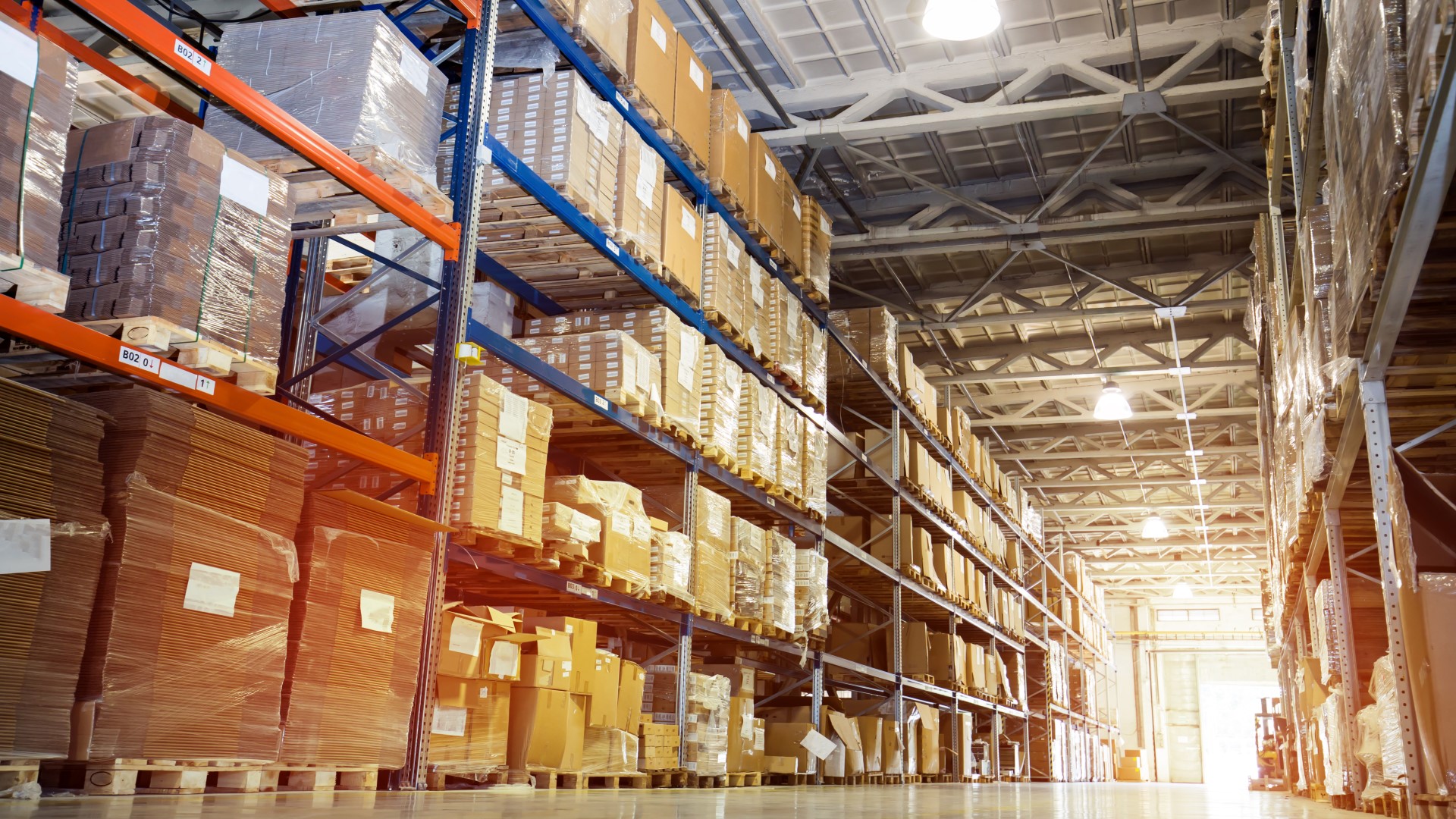
Warehouse filled with shelves of boxed goods
FTA Concepts: Wholly Obtained
A good is wholly obtained if produced entirely in the territory of one or more of the FTA countries as referenced in the FTA Rules of Origin Chapter.

FTA Concepts: Wholly Obtained

A good is wholly obtained if produced entirely in the territory of one or more of the FTA countries as referenced in the FTA Rules of Origin Chapter. The purchase of a good in the territory does not necessarily render it wholly obtained or produced. This type of FTA qualification often applies to commodities. Some examples include corn from Iowa, coal mined in Wyoming, apples from Washington, fish from North American waters brought in by a U.S. fishing vessel, and even a moon rock retrieved by a U.S. astronaut.

Please consult the specific FTA you are researching in its Rules of Origin chapter. Many U.S. FTAs define “wholly obtained” as:

(a) plants and plant products harvested or gathered in the territory of one or more of the Parties;

(b) live animals born and raised in the territory of one or more of the Parties;

(c) goods obtained in the territory of one or more of the Parties from live animals;

(d) goods obtained from hunting, trapping, fishing, or aquaculture conducted in the territory of one or more of the Parties;

(e) minerals and other natural resources not included in subparagraphs (a) through (d) extracted or taken from the territory of one or more of the Parties;

(f) fish, shellfish, and other marine life taken from the sea, seabed, or subsoil outside the territory of one or more of the Parties by vessels registered or recorded with a Party and flying its flag;

(g) goods produced on board factory ships from the goods referred to in subparagraph

(f), provided such factory ships are registered or recorded with that Party and fly its flag;

(h) goods taken by a Party or a person of a Party from the seabed or subsoil outside territorial waters, provided that a Party has rights to exploit such seabed or subsoil;

(i) goods taken from outer space, provided they are obtained by a Party or a person of a Party and not processed in the territory of a non-Party;

(j) waste and scrap derived from:

    (i) manufacturing or processing operations in the territory of one or more of the Parties, or

    (ii) used goods collected in the territory of one or more of the Parties, provided such goods are fit only for the recovery of raw materials;

(k) recovered goods derived in the territory of one or more of the Parties from used goods and utilized in the territory of one or more of the Parties in the production of remanufactured goods; and

(l) goods produced in the territory of one or more of the Parties exclusively from goods referred to in subparagraphs (a) through (j), or from their derivatives, at any stage of production;

×

Global Business Navigator Chatbot Beta

Welcome to the Global Business Navigator, an artificial intelligence (AI) Chatbot from the International Trade Administration (ITA). This tool, currently in beta version testing, is designed to provide general information on the exporting process and the resources available to assist new and experienced U.S. exporters. The Chatbot, developed using Microsoft’s Azure AI services, is trained on ITA’s export-related content and aims to quickly get users the information they need. The Chatbot is intended to make the benefits of exporting more accessible by understanding non-expert language, idiomatic expressions, and foreign languages.

Limitations

As a beta product, the Chatbot is currently being tested and its responses may occasionally produce inaccurate or incomplete information. The Chatbot is trained to decline out of scope or inappropriate requests. The Chatbot’s knowledge is limited to the public information on the Export Solutions web pages of Trade.gov, which covers a wide range of topics on exporting. While it cannot provide responses specific to a company’s product or a specific foreign market, its reference pages will guide you to other relevant government resources and market research. Always double-check the Chatbot’s responses using the provided references or by visiting the Export Solutions web pages on Trade.gov. Do not use its responses as legal or professional advice. Inaccurate advice from the Chatbot would not be a defense to violating any export rules or regulations.

Privacy

The Chatbot does not collect information about users and does not use the contents of users’ chat history to learn new information. All feedback is anonymous. Please do not enter personally identifiable information (PII), sensitive, or proprietary information into the Chatbot. Your conversations will not be connected to other interactions or accounts with ITA. Conversations with the Chatbot may be reviewed to help ITA improve the tool and address harmful, illegal, or otherwise inappropriate questions.

Translation

The Chatbot supports a wide range of languages. Because the Chatbot is trained in English and responses are translated, you should verify the translation. For example, the Chatbot may have difficulty with acronyms, abbreviations, and nuances in a language other than English.

Privacy Program | Information Quality Guidelines | Accessibility