
Safety Standards Education Reduces Regulation, Builds Global Demand For U.S. Aircraft Parts
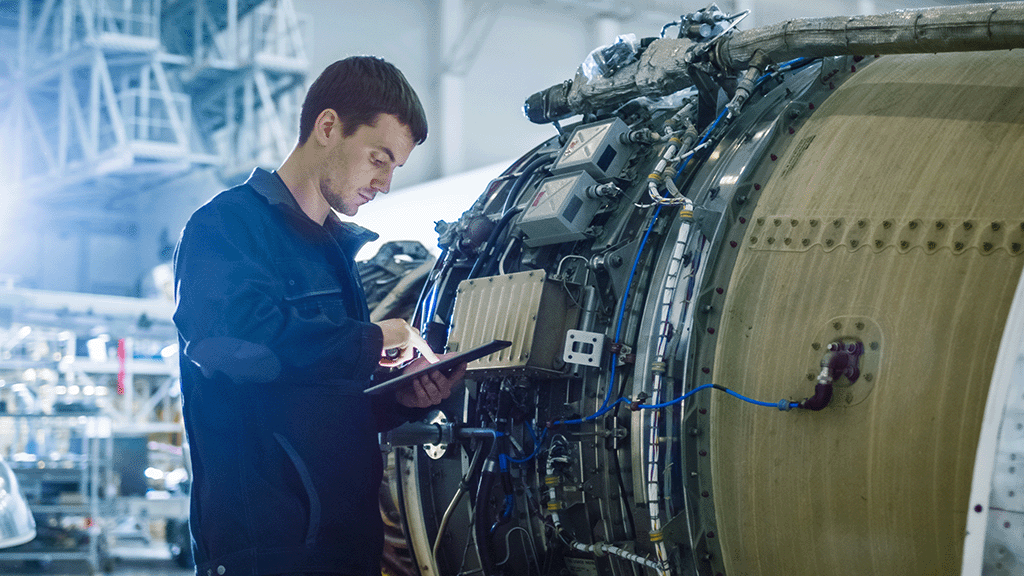
Aircraft Parts Original or Aftermarket: Both Are Safe
PMA parts are essentially aftermarket parts that aircraft owners and operators use in maintenance, repair, and overhaul (MRO) of aircraft, one of the highest costs of running an airline. PMA parts are designed and produced to meet strict Federal Aviation Administration (FAA) safety regulations and quality standards. They are an affordable and safe alternative to replacement parts made by original equipment manufacturers (OEMs).
The Modification and Replacement Parts Association (MARPA) represents PMA parts producers. With MDCP support, MARPA has been educating airline officials in Europe and East Asia about the safety standards and certification requirements of PMA parts.
Greater Acceptance of U.S. Standards Will Grow U.S. Export Sales in $12B Global Market
The majority of PMA parts are designed and manufactured by U.S. companies. Consequently, the more European and Asian airlines that decide to use PMA parts, the more likely they are to choose U.S.-made parts for MRO.
MARPA’s long-term education efforts in Europe have been so successful that its European conference is now self-sustaining. This MDCP-supported event now draws interested aircraft fleet managers from beyond the region, especially from the Middle East and Africa. More recently, MARPA has increased its efforts in East Asia, with events in China and Japan, both supported by ITA’s Commercial Service. MARPA’s efforts have already reached most of the fleet managers in the $12B global market for replacement parts.
Reducing Unnecessary Regulation
Even if potential purchasers abroad realize that PMA parts are safe and suitable, they may not know whether or how use of such parts may be allowed according to in their country’s regulations. For example, Tthey may not be aware know, for example, of about Bilateral Aviation Safety Agreements (BASA) that already exist.
A BASA is negotiated between the United States and another country to institutionalize aircraft standards that have already been harmonized and to establish a framework for further harmonization. A BASA can reduce the need for duplicative regulatory oversight. Under some BASAs, certain aircraft parts may be exported from the United States to the destination country with no other approval required.
MARPA’s promotional and educational activities include the participation of its member companies. Because they design and manufacture PMA parts, they have a deep understanding of safety and quality requirements.