
RV Solution To Japan’s Disaster Management
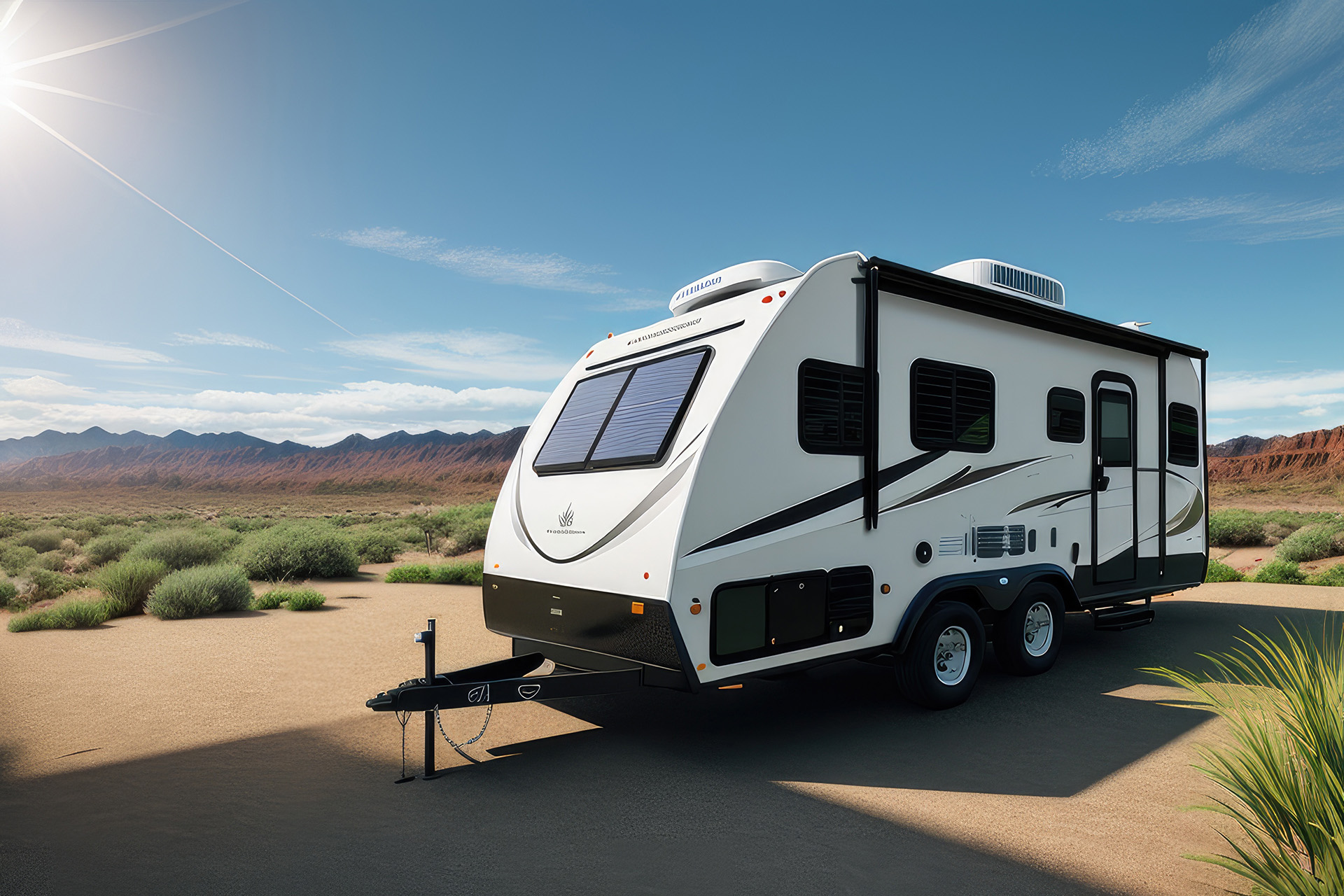
Advocating Use Abroad of a Very American Product
RVs (“recreation vehicles”) have deep roots in American culture. After WWII, motor homes and mass-produced travel trailers, products that we would recognize today as RVs, became increasingly ubiquitous as part of American culture.
Recreation is not the only use. By the early 1990s, the U.S. federal government deployed RVs by the thousands to shelter people displaced by natural disasters. Decades later, Japan has officially adopted this approach.
U.S. Industry Advising and Meeting Demand
While the logic for the Government of Japan’s planned use of more RVs and manufactured housing is based on local circumstances, U.S. industry has been advising throughout the process. For several years, the U.S.-based RV Industry Association (RVIA) has educated officials in Japan about how RVs can provide a quick solution to a sudden need.
RVIA’s long-term engagement on this issue has been underwritten by Market Development Cooperator Program (MDCP) funding and technical support from the U.S. Department of Commerce’s International Trade Administration (ITA). Japan’s new policy will ease the effect of disasters on its citizens. It it also presents a new opportunity for U.S. RV makers to meet demand.
More Patient Work: Campgrounds and RV Standards
The RVIA-ITA MDCP cooperative agreement has born other fruit as well. For most RV users, they need a place to go, a campground. As Japan, South Korea, and China have developed hundreds of new campgrounds since 2015, RVIA has advised officials to ensure that campground infrastructure, including electrical, sewer, and water hook-ups accommodate U.S.-made RVs. Consumers abroad won’t buy an RV they cannot use in their country.
RVIA’s international efforts extend beyond Northeast Asia. The trade association regularly participates in trade events in Europe and has a representative who participates in United Nations “WP.29” vehicle regulation work. This group’s recommendations affect RV standards and licensing approvals in 62 countries.
One example of an MDCP-supported RVIA success in the standards realm was convincing Japan and South Korea that electric brakes, commonly installed on U.S. made travel trailers, are safe. They had been leaning toward requiring heavier and more expensive hydraulic brakes that EU-made RVs commonly use. This is the kind of welcome development that opens markets abroad to U.S. exports.