
International Standards and National Regulations: Engaging to Ensure Fairness For US Firms
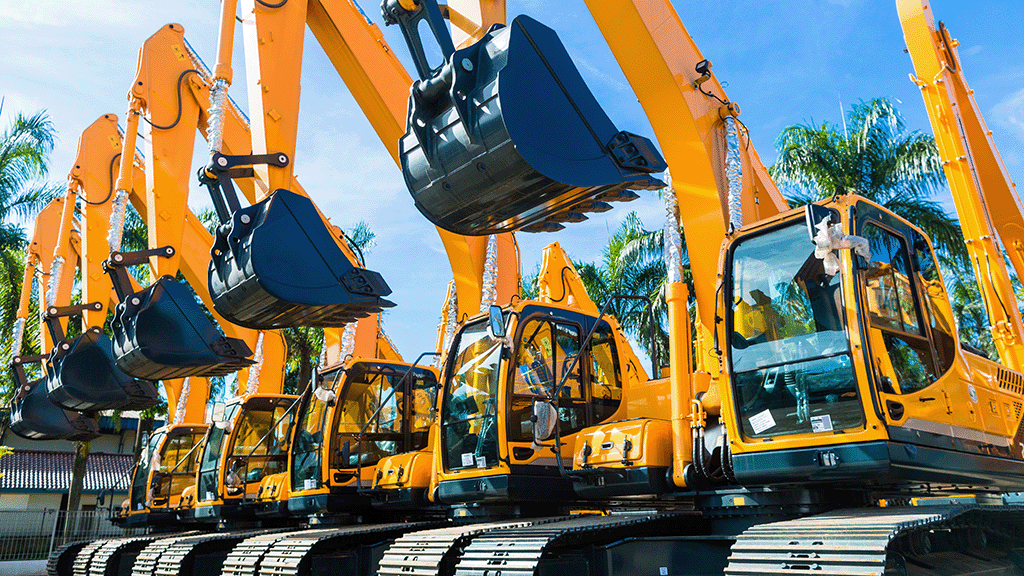
Working on Technical Committees and Monitoring Regulators Minimize Unnecessary Change and Maximize Certainty for $288B Industry
China’s growing control of standards development technical committees can disadvantage global manufacturers by allowing Beijing to shape technical requirements around its own industrial capabilities, intellectual property portfolios, and strategic priorities. Over the last decade China has rapidly expanded its leadership roles in various standards development bodies such as the International Organization for Standardization (ISO), where it now ranks just behind the U.S. and Germany in convening working groups and holding key committee positions.
This influence enables China to push standards projects that align global standards with its own domestic technologies—including those supported by state-backed initiatives like Made in China 2025 and China Standards 2035—potentially forcing foreign manufacturers to redesign products, license Chinese patents, or rely on Chinese supply chains in ways that raise costs and erode competitive advantage. For manufacturers outside China, this can create an uneven playing field, reduce interoperability with non-Chinese systems, and introduce geopolitical risk into long-term product planning.
AEM, The Association of Equipment Manufacturers, helps its member companies to participate on international standards technical committees such as those hosted by ISO. The Milwaukee-based trade group represents over 1,000 firms in the $288B equipment industry with more than 200 product lines in agriculture- and construction-related industries. ITA has supported AEM’s efforts with a $300,000 Market Development Cooperator Program (MDCP) award.
Fair International Standards Also Help Ensure Reasonable National Regulations
AEM’s MDCP project has gone beyond international standards engagement. At a national level a country can impose regulations that make U.S. firms less competitive. Engagement by U.S. industry groups with officials in the target market can help.
For example, with ITA’s help, AEM has monitored China’s regulatory regime and engaged with government officials to make sure that engine emission regulations stay as close as possible to existing rules. This way, U.S. firms need to make fewer unique engine emission control systems.
National regulations tend to be tied to international standards. Rules that are globally harmonized to science-based, market-driven international standards help ensure fairness for all companies competing in a market.