
Gulf States Allow Non-OEM Vehicle Customization
U.S. Makers of Specialty Automotive Equipment Now Have Easier Time Selling in Middle East Markets
Altering stock vehicles for hot-rodding, off-roading, and other uses has been legal in the United States since the mid-20th century. Customization work by small garages has spawned its own industry. The Specialty Equipment Market Association (SEMA) represents the mostly small- medium-size enterprises (SMEs) who produce, distribute, and sell parts and accessories that enhance vehicle performance.
For many years now, Americans are not the only car enthusiasts to want customized vehicles. But local laws abroad have often made customization illegal unless done by a dealer or garage owned by or affiliated with an original equipment manufacturer (OEM). This meant, for example, that an owner of a Toyota HiLux pickup truck could only specify Toyota springs and shocks while the same equipment made by U.S. firms was not offered to customers.
Old Customization Rules Hindered U.S. Access to Gulf Markets
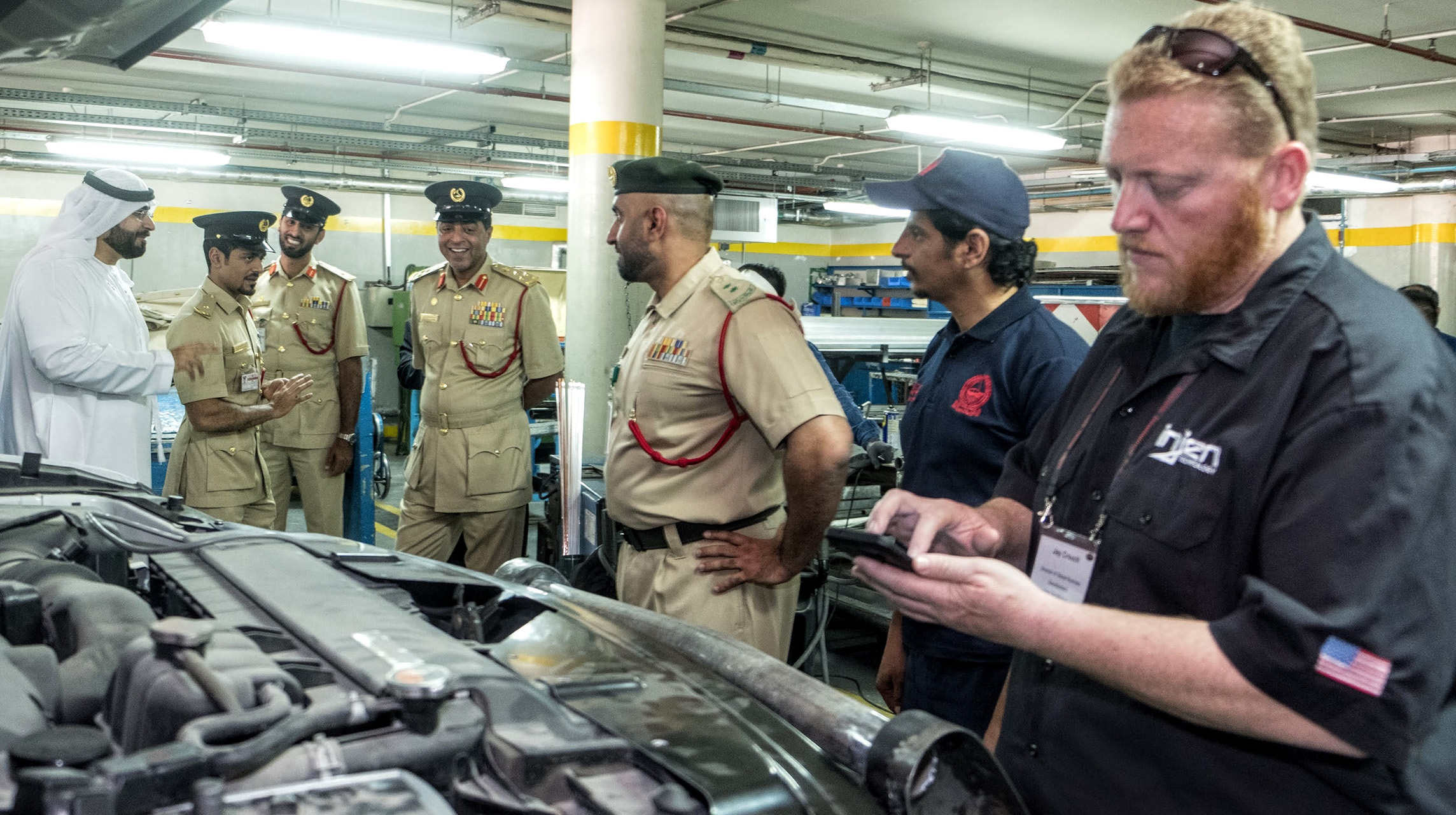
To liberalize customization restrictions in the Middle East, SEMA engaged directly with local officials. It also enlisted some member companies to help educate police and other stakeholders.
Thanks to these efforts and others over the span of more than a decade, the rules are now liberalized. Unaffiliated garages in the Kingdom of Saudia Arabia (KSA), the United Arab Emirates (UAE), Kuwait, Oman, and Qatar private garages can now do customization work that was previously not allowed. They can offer a wider range of equipment options that includes products made by independent U.S. firms.
U.S. Sales Follow Increased Export Market Access
SEMA launched its most significant rules-liberalization advocacy work in response to a challenge made by the International Trade Administration. ITA offered financial and technical support to industry groups that proposed initiatives to secure better market access for U.S. companies. SEMA competed for and received Market Development Cooperator Program (MDCP) award support for its work in the Gulf states.
For officials and garages in the Gulf area, SEMA paired its rules-liberalization work with education on the danger of using counterfeit products. This work maintains the U.S. technological edge by protecting intellectual property.
For 27 U.S. companies, SEMA provided garage tours in the region, market education, sales promotion, and match-making activities. On the heels of the liberalized customization, U.S. firms found it easier than before. They came away from one trip with $20M in sales.